













SlotsGem App For Mobile Play In Australia

Adult players in Australia can enjoy SlotsGem on mobile in 2026, with clear setup steps, budget tools, and practical support.

Fortune Gems 2 Slot

Table of Contents

  • The Dog House Megaways Slot
  • Lucky Joker 10 Extra Gifts Slot
  • Sword of Ares Slot
  • Floating Dragon Hold & Spin Slot
  • Leprechaun Riches Slot
  • Fruit Cocktail Slot
  • The Dog House Megaways Slot
  • Sword of Ares Slot
  • Fruit Million Slot
  • The Dog House Megaways Slot
  • Big Fisherman Slot
  • Big Fisherman Slot
  • Seven Books Unlimited Slot
  • SlotsGem Fortune Slot
  • Sword of Ares Slot
  • Floating Dragon Hold & Spin Slot
  • 9 Mad Hats Slot
  • Floating Dragon Hold & Spin Slot
  • Big Bass Splash Slot

Why The SlotsGem App Suits Busy Mobile Sessions

Imagine you have ten minutes before a call and you want a clean, predictable session, not a maze of menus. Most players do the same thing first - they tap around the lobby, open the cashier once, then close everything to see if the phone stays responsive. That “first lap” tells you more than any marketing line.
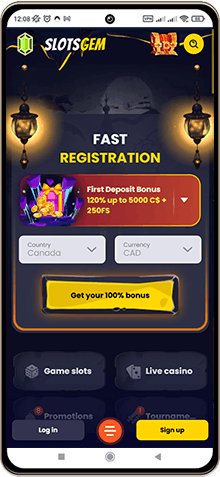
App 1

In 2026, mobile gaming works best when the basics are boring in a good way: the layout stays readable outdoors, buttons do not jump around, and the app does not punish you for switching to messages and back. If you treat the first session as a short test, you reduce later frustration and you catch small issues (permissions, auto-rotate, battery saving) before they bite during real play.

A practical approach is to build a routine you repeat every time you reinstall or change devices. Start with a stable connection, make sure the phone has breathing room (storage and battery), then confirm the lobby loads without stuttering. Usually players who skip this end up blaming the platform for what is actually a phone setting.

The other win is pacing. Mobile sessions are often shorter and more frequent, which can make spending feel “invisible” if you do not set a plan. This is where a phone-first experience should help you stay aware: clear balance display, easy access to history, and settings that keep you from tapping on autopilot.

Quick Comfort Checks Before Your First Spin

Picture yourself on a train, one hand holding the phone, the other grabbing a coffee. You try a few taps and suddenly you are not sure whether you confirmed something or just opened a preview. That is why comfort checks matter - they are about preventing mistakes, not slowing you down.

Start by turning off anything that causes accidental inputs: auto-rotate (if it flips at the wrong time), loud sound defaults, and pop-ups that cover the main buttons. Then do a simple “two-minute flow” - open a game, go back to the lobby, open your account menu, and locate limits. If you can do that without hunting, the interface is ready for real sessions.

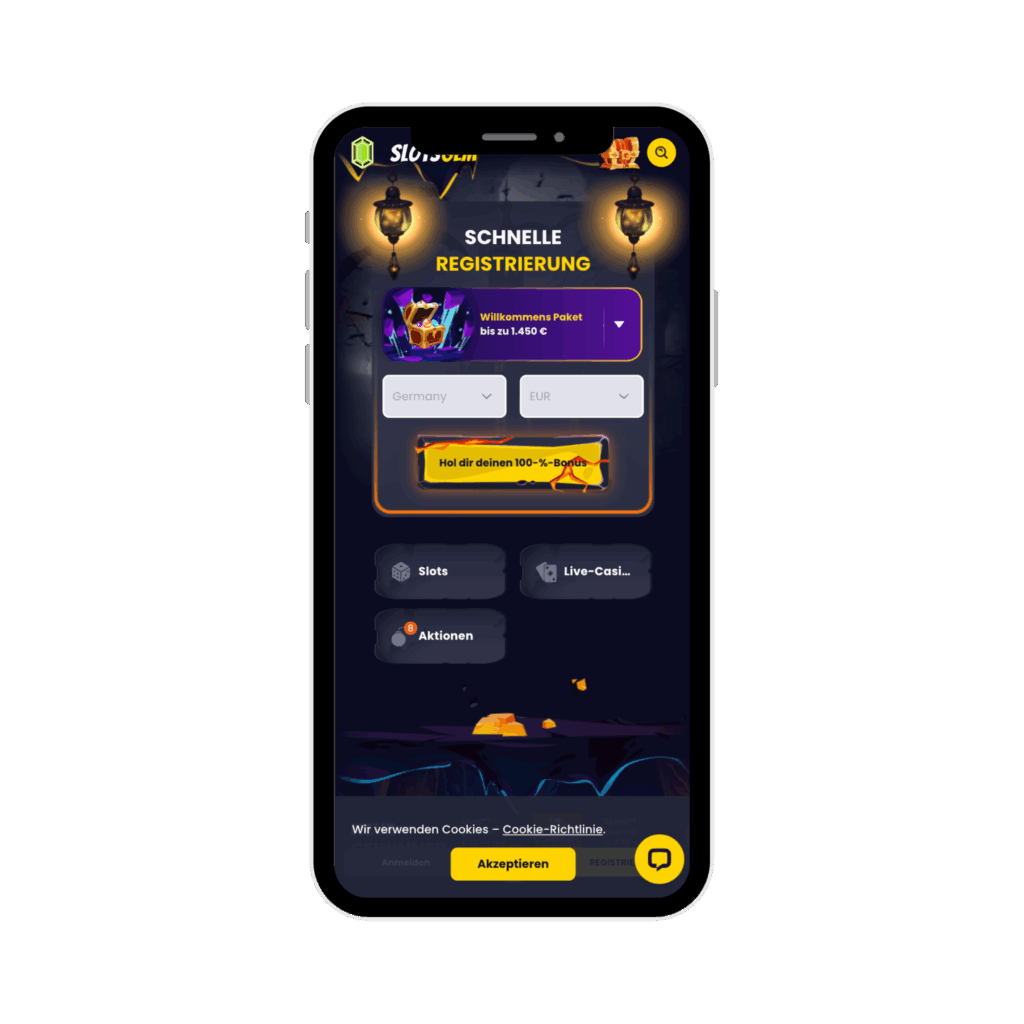
Sign-Up, Security, And Verification On Your Phone

Imagine signing up late at night, half-distracted, and the next day you cannot remember which email you used. Players often create a second account by mistake, then spend more time fixing it than they would have spent doing the first registration properly. The clean move is to register when you have five calm minutes.

application 2

Use an email you control, choose a strong password you do not reuse, and store it in a password manager. If the platform offers an extra security step (like a one-time code), set it up early so it becomes normal, not a panic tool you add after a scare. Your phone is essentially the key to your account, so screen lock and basic device hygiene matter more than people want to admit.

Verification should be treated as part of setup, not a later chore. Many adult-only platforms ask for identity checks to keep accounts tied to real people and to reduce fraud. If you handle it early, withdrawals feel like a normal request instead of a sudden paperwork moment when you are already impatient.

Privacy is also part of “security,” just less dramatic. If your phone sits on a desk at work or you share it with family, you want notifications and previews under control. A few small settings save you from awkward surprises.

Profile Details That Prevent Payout Delays

Imagine you request a withdrawal and only then notice your address format is inconsistent or your name is entered with a nickname. That mismatch can trigger extra review steps, which feels annoying even when it is simply a normal safety check. The easiest path is to enter real details once and keep them consistent.

When you fill the profile, slow down at the boring fields: name spelling, date of birth format, and address. If you move house, update details carefully and expect a short review. Players often try to “fix everything” in one sitting, but changing multiple details at once can create more questions than it solves.

Keeping Your Account Private In Real Life

Picture a friend picking up your phone to show you a photo, and a gambling notification appears on the lock screen. Nothing “bad” happened, but you still feel exposed. Privacy is not just passwords - it is how your phone behaves in public.

Turn off sensitive previews on the lock screen, use biometric unlock so you are not typing passwords where people can see, and avoid logging in on shared devices. If you play in public, lower brightness and angle the screen away. Small habits like this reduce stress, and reduced stress leads to better decisions.

Notification Rules That Stop Impulse Taps

Imagine you finish a session, put your phone down, and a push message nudges you back in at the worst time - when you are bored, tired, or annoyed. Many players do not realize how much that changes behavior until they turn it off. The goal is simple: you choose sessions, not reminders.

Keep security alerts on (login attempts, payment confirmations) and make marketing alerts optional. If you want session timers, enable those because they support control rather than distraction. A good setup makes the platform quieter, and quiet platforms are easier to manage.

Deposits, Withdrawals, And Payment Habits That Feel Safe

Imagine you are in a hurry, your thumb slips, and you approve an amount you did not intend. Mobile convenience is great until it becomes “too easy.” The fix is not complicated - build a pause into your payment flow.

App 3

Start by deciding your spending rule before you open the cashier. Some players prefer one capped deposit per week so the budget is visible. Others prefer smaller deposits that limit damage if a session goes sideways. The best option is the one you will actually follow when your mood changes mid-session.

Withdrawals work better when you set expectations. Processing can involve internal review, verification checks (especially after profile changes), and the pace of the chosen method. If you submit a request and then refresh the status every five minutes, you only add anxiety. A calmer routine is to submit, note the confirmation details for your own records, and check once or twice a day.

Below is a practical table you can use as a pre-confirmation checklist. It focuses on what players do on a phone, not on specific brand claims.

Payment Route Type

What Players Usually Do

Good For

Common mistake

Simple Fix

Bank card style

Approve a prompt, return to lobby

Quick top-ups

Confirming the wrong amount

Read the final screen like a receipt

Bank transfer style

Enter details carefully, wait for confirmation

Planned deposits

Typos in reference fields

Copy carefully, double-check once

E-wallet style

Switch between apps for authorization

Speed and privacy

Denied notifications break approvals

Allow essential alerts during setup

Prepaid or voucher style

Enter a code, verify balance update

Tight budgeting

Rushing code entry on a small screen

Use landscape mode, slow taps

Alternative digital methods

Follow extra verification steps

Flexibility

Starting the flow on weak connection

Use stable network, enough battery

Money discipline on mobile is mostly about friction in the right places. Put your phone down for ten seconds before confirming a deposit or a re-buy. If that pause feels “too slow,” that is usually a sign you are not in a calm decision state.

Limits, Breaks, And Self-Control Tools For Real Sessions

Imagine you start a session feeling fine, then a few losses land close together and your pace speeds up. Players often do not notice the shift until they look at the clock and realize an hour disappeared. That is why limit tools matter - they protect you from your future mood, not your current plan.

Begin with the simplest boundary: a deposit cap that actually bites. A limit that never triggers is just decoration. Choose a number you can accept even on a bad day, because bad days are when limits do their job.

Next, use session reminders. On a phone, time blurs because you are not sitting at a desk with a visible clock. A reminder that interrupts you is useful precisely because it breaks the loop. When it pops up, stand up, drink water, and decide whether you still want to play or whether you are just chasing a feeling.

Cooling-off breaks are underrated. If you catch yourself tapping faster, skipping game info, or feeling irritated at normal outcomes, a timeout is a clean exit. It is not a dramatic move - it is a short reset that stops the session from becoming emotional.

Self-exclusion is the stronger tool for situations where you want real distance. If you ever feel you cannot stop when you intend to, choosing a longer lockout protects you from impulse. The important part is knowing where the option lives in settings, so you can use it before frustration becomes the decision-maker.

One more practical habit: set “exit rules” that are not tied to winning. For example, “I stop after 20 minutes” or “I stop after one deposit.” Imagine you hit a small win and feel tempted to keep going because you are “up.” Exit rules keep you honest in both directions.

Setting Boundaries That Actually Bind

Picture a player who sets a weekly cap so high it never triggers, then later says limits “do not work.” The tool worked - the number was the problem. Start with a boundary that feels slightly strict, not comfortable.

If multiple limit types exist, pick one based on your personal risk. If overspending is the issue, set deposit caps first. If time disappears, focus on session reminders and cooling-off. Do one change, live with it for a week, then adjust with intention instead of reacting mid-session.

Self-Exclusion And Cooling-Off Without Drama

Imagine you notice your mood turning sharp - you are not enjoying the game, you are trying to “fix” the session. A short break is often the most mature move you can make because it stops the spiral early. Players who use cooling-off options tend to return with better control, or they realize they did not need to return at all.

For longer breaks, self-exclusion is not a confession, it is a boundary. If you choose it, treat it like a safety lock you set for yourself. Decide the duration when you are calm, and do not negotiate with it when you are not.

Help, Updates, And The Fast Fix Routine In 2026

Imagine you open the lobby and it feels slow, and your first thought is “the platform is down.” Often it is your phone doing something boring in the background: an update, low storage, overheating, or aggressive battery saving. A quick routine can solve most mobile issues before you even contact support.

Start with the basics: force close the app, reopen it, and switch networks (Wi-Fi to mobile data or the other way around). If the phone is hot, let it cool. If storage is nearly full, free space. Mobile performance is physical - heat and low memory make everything worse.

Updates should be handled strategically. Install them when you are not mid-session, because a partial update can cause login loops and missing assets. Players sometimes update in a rush, then panic when the app takes a minute to rebuild its cache. Patience here saves time later.

When you do need help, keep your message factual and short. Support teams can move faster when you provide the device model, operating system version, and the exact step where things went wrong.

A Fast Troubleshooting Routine For 2026 Devices

Picture this: you are trying to log in, it fails twice, and your heart rate jumps because you assume something is wrong with your account. Most of the time it is a simple lockout after a typo or a code delay. Slow down and take a structured approach.

First, confirm you are using the right email and try a password reset only once, not repeatedly. Second, check whether your phone is blocking notifications or messages that deliver codes. Third, restart the device, then try again on a different connection. If the app crashes on launch, reinstall only after you confirm you still have access to your email and any security method you set earlier.

If none of that works, contact support with a clean timeline: what you tapped, what you expected, what happened, and whether you already tried restarting or reinstalling. That level of detail turns a vague problem into something solvable.

FAQ

Use your phone’s official app marketplace and install only the current release, then open it once on a stable connection to let assets load properly. Imagine doing it on weak public Wi-Fi - downloads can stall and make the app feel broken. After installation, check permissions, keep only what is necessary, and enable a secure screen lock so your account stays private.

Wait a minute, then check whether your phone is filtering messages or silencing notifications, because code delivery often fails on the device side. Imagine you are toggling airplane mode and resending codes repeatedly - that can cause delays and confusion. Try one resend, switch networks, restart the phone, and confirm you are using the correct email or number tied to the account.

Extra checks usually appear after profile changes, new payment methods, or incomplete identity verification, because platforms try to keep accounts tied to real adult players. Imagine updating your address and requesting a cashout in the same hour - that combination can trigger review steps. Finish verification early, keep details consistent, and avoid last-minute changes right before you submit a withdrawal.

Decide your budget before you open the cashier, then add a pause before every confirmation so mobile convenience does not turn into impulse. Imagine playing “just five minutes” and making three quick deposits because each one felt small - the total adds up fast. Use deposit caps, set session reminders, and treat one deposit as the natural endpoint unless you planned otherwise.

Use a cooling-off option as soon as you notice speed and frustration creeping in, because early breaks prevent bigger regret. Imagine your taps getting faster and your choices getting smaller - that is the moment to stop, not to “push through.” Stand up, change your environment, and only return when you can describe a clear plan for the session.

Share only what is needed to diagnose the issue: device model, operating system version, the exact screen where it happened, and any error message. Imagine sending a long emotional story - support still has to ask basic questions, which slows everything down. Keep personal documents private unless the platform requests them inside the secure verification flow.

Start by closing the app fully, switching networks, and freeing storage space, because slow lobbies often come from low memory, weak connection, or background updates. Imagine your phone overheating while multiple apps run - performance drops everywhere, not just in games. Restart the device, try again, and if the issue repeats, reinstall after confirming you still have access to your account email and security method.