













SlotsGem Casino Sign In In Australia

Adult players in Australia can sign in calmly, fix access issues, and set controls before sessions so play stays tidy in 2026.

Fortune Gems 2 Slot

Table of Contents

  • The Dog House Megaways Slot
  • Lucky Joker 10 Extra Gifts Slot
  • Sword of Ares Slot
  • Floating Dragon Hold & Spin Slot
  • Leprechaun Riches Slot
  • Fruit Cocktail Slot
  • The Dog House Megaways Slot
  • Sword of Ares Slot
  • Fruit Million Slot
  • The Dog House Megaways Slot
  • Big Fisherman Slot
  • Big Fisherman Slot
  • Seven Books Unlimited Slot
  • SlotsGem Fortune Slot
  • Sword of Ares Slot
  • Floating Dragon Hold & Spin Slot
  • 9 Mad Hats Slot
  • Floating Dragon Hold & Spin Slot
  • Big Bass Splash Slot
Login 1

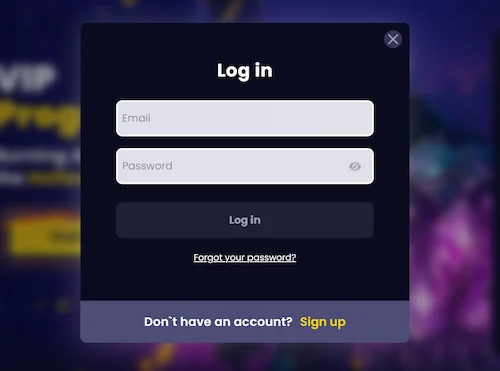
SlotsGem Sign In: A Calm Entry Routine

Most access problems start with rushing, not with the platform. Imagine you are on a short break, you open the sign-in screen, and you tap through so fast you miss a typo or the wrong keyboard layout. Two minutes later the “quick session” becomes a loop of retries.

Use a repeatable routine. Stick to one device for the whole attempt, type credentials manually if something feels off, and after you enter, check that your contact details still match how you receive messages. When you finish playing, log out on purpose so the next session starts clean.

One more habit that helps in 2026: do not “stack” sign-ins. If you have the account open on a phone and a laptop at the same time, pick one and close the other. People often forget the second tab exists, it refreshes, and suddenly they are unsure which session is active.

When The Sign-In Screen Loads Slowly

If the page hangs or reloads, do not mash buttons. Picture your phone switching from Wi-Fi to mobile data mid-load - you can end up submitting the same request twice without noticing. Pause, let one page fully load, then act once.

Try one controlled change at a time: refresh, reopen the browser, or use a private window. Avoid changing your password, device, and email all at once, or you will not know what helped.

One-Device Rule For Codes

Codes fail most often because people create a “race” between screens. Imagine requesting a code on desktop, reading it on your phone, then returning to desktop and entering it late - timing mismatches are almost guaranteed. Keep one device for the entire flow and use the newest code immediately.

If you requested multiple codes, assume only the latest is valid. Keep the code screen open, copy carefully, and finish the step before switching apps.
Login 2

Account Setup In Australia Before You Even Play

Access should feel boring. Imagine you sign in, see a lobby, and jump straight into games without checking profile details or recovery options. Later, when you need to confirm identity or recover access, the “easy night” turns into admin work.

Start with profile accuracy: name, date of birth, and contact info should be consistent. Then secure recovery - confirm you can open your recovery inbox and that your phone number (if used) is current. If verification steps appear in your account, handle them early, in good light, so you are not doing it when you are tired.

Now set responsible play controls. Put a spending cap and a time boundary in place before your first real session. Finally, open the history screen once and learn how entries are labeled, so you do not panic later when you need to track a transaction.

Also check your security settings for “sign out of other devices” or similar options. Picture losing a phone, replacing it, and then wondering whether the old session is still active somewhere. Taking a minute to understand session control is a quiet way to reduce risk.

This platform is presented for adult players in Australia, and access and features can depend on applicable rules and personal eligibility. The practical rule is simple: trust what you can confirm inside your account, not assumptions.

Browser And Password Fixes That Actually Work

When sign-in fails, people either panic-reset everything or do nothing and keep retrying. Picture a small problem - a stale saved password - turning into a bigger mess because you changed three settings at once. Troubleshoot in layers: manual entry, private window, then recovery.

Login 3

Treat your password like a tool, not a contest. You want it strong, usable, stored securely, and changed only when needed, so you do not confuse yourself.

Reset Without Lockouts

If you need to reset, do it once and do it properly. Imagine trying five password guesses, getting blocked, then attempting recovery while stressed. Switch to recovery early, request one reset, and keep the same window open until it completes.

After you set the new password, log out and sign in again on purpose. If you use multiple devices, update the password on your main device first so you do not trigger security checks by accident.

Autofill And Keyboard Traps

Autofill is convenient until it is wrong. Imagine your browser inserts an old email address or adds a trailing space you cannot see, and you keep thinking the platform is rejecting you. Turn off autofill for that attempt and type everything manually.

On mobile, watch for keyboard layout changes. If failures repeat, delete the field fully and retype, rather than editing inside the field where hidden characters can remain.

Private Window And Cookie Clean-Up

Sometimes the issue is a stuck session, not your details. Picture leaving a tab open for days, then returning and signing in on top of an expired session. A private window bypasses old cookies quickly and often fixes the loop.

If private mode works, clear site data in a controlled way and try again. Also close duplicate tabs - two sign-in screens at once can conflict when one refreshes.

Mobile Sessions In Australia: Secure Habits

Mobile access is fast, and that speed makes mistakes easier. Imagine signing in while commuting, switching apps for a message, then returning to a half-finished step and guessing what to do next. Keep sign-in as your only task until it is complete.

Use a device lock, avoid saving passwords on shared phones, and sign out when you finish. If you travel or change networks often, expect occasional prompts - handle them calmly and avoid doing money actions when you are distracted.

If you switch between mobile and desktop frequently, build a handoff habit: finish the session on one device before you start on another. Picture starting on phone, then moving to laptop and forgetting you still have an active session on the phone - it is not always a problem, but it can create confusion when confirmations appear.

Quick Exit Habits That Prevent “One More Minute”

A clean exit protects your plan. Picture finishing a session, telling yourself you will stop, but leaving the tab open “just in case” - that is how people drift back in. Set a timer before you start, and when it rings, log out and close the browser.

If you feel the urge to continue, take a cooling-off break instead of negotiating. Stopping should be a default action, not a debate.

Payments And Cashier After You Sign In

Once you are inside, the cashier is the real test of clarity. Imagine you want to add funds quickly, but you cannot find limits or you do not understand how the history screen labels transactions. Confusion pushes people into impulsive clicks.

Treat deposits and withdrawals as separate workflows. Deposits are about budget control: one planned deposit, then you play the session you decided. Withdrawals are about consistency: stable details, one clear request, and patience while statuses update. If something is unclear, pause and ask support rather than guessing.

Read the short notes next to your chosen payment method before you confirm anything. Picture pressing “continue” because you are excited, then realizing a missing step blocks your next action. A 20-second read now is cheaper than a stressful back-and-forth later.

Use the transaction history like a ledger. Check that entries appear as expected and learn the status labels while nothing is urgent.

What You Need

What To Check First

Typical Mistake

Better Habit

Adding funds

Budget and time limit

Reloading during a chase

Deposit once, then stick to plan

Requesting a payout

Profile details and verification

Editing info mid-request

Keep details stable until finished

Tracking activity

History screen labels

Refreshing constantly

Check status on a schedule

Fixing a failed attempt

One clear question

Changing everything at once

Change one thing, retry once

Responsible Play Controls For Adults In 2026

Good access is not only about getting in - it is also about getting out. Imagine everything feels smooth and that smoothness keeps you playing longer than planned. Convenience becomes a risk when boundaries are missing.

Set a spending cap and a time boundary before play, then use timeouts when your mood shifts after a win or loss. If you need a stronger boundary, self-exclusion tools can protect you from impulse. Close each session with a quick ritual: check history, log out, then do something else immediately so you do not drift back.

A useful mindset is “pause first, decide second.” When you feel tempted to reload or to extend time, take a short break and ask one question: am I still entertained, or am I chasing? That single check keeps adult play honest.

Timeouts And Cooling-Off: How To Use Them Well

Timeouts work best when they interrupt momentum. Picture a losing streak where you keep changing games and stakes to force a turnaround - that is the moment a break helps. Choose a cooling-off length that actually changes your state, not a token pause.

Stand up, drink water, and return only if you feel calm. If the urge is still strong, extend the break instead of arguing with yourself.

Support Messages That Get Answers

Support is faster when you are specific. Imagine sending “I cannot access my account” with no details, then waiting while support asks basic questions. Write one clear message: what you tried, what you expected, what happened instead, and roughly when it happened.

Include device type, whether you switched networks, and whether private mode worked. Then wait for the reply instead of flooding the conversation with follow-ups.

FAQ

Use a repeatable routine: one device, one attempt, and one controlled change at a time if something fails. Imagine you rush, request multiple codes, and bounce between phone and desktop - timing mismatches happen fast. Type credentials manually, try a private window if the page behaves oddly, and only then use recovery. If you still cannot access your account after a couple of clean tries, contact support with your device, network changes, and what you saw on-screen.

Pause before you request another one. Picture tapping “send again” three times and then guessing which message is valid - that creates instant confusion. Use the newest code immediately, keep the code screen open, and avoid switching devices mid-flow. If delays keep happening, try a stable connection and repeat the process once, calmly, before escalating.

Start recovery early instead of guessing. Imagine trying several passwords until you get blocked, then attempting a reset while stressed - mistakes multiply. Request one reset, complete it in the same window, set a distinct new password, store it securely, then log out and sign in again to confirm it works. If you use multiple devices, update the password on your main device first.

Reload loops often come from unstable connections, background app switching, or old session data. Picture your phone jumping between networks and the page refreshing while your previous attempt is still half-active. Close duplicate tabs, use a private window, and keep the login screen as your only active task until you finish. If private mode fixes it, clearing site data for that browser can help.

Avoid saving passwords on shared machines and always log out when you finish. Imagine you sign in once on a shared computer, close the tab, and assume the session is gone - it may not be. Use a private window when you must, turn off autofill for that attempt, and avoid doing payment actions on shared devices. A simple “log out and close browser” habit prevents most accidental exposure.

If you have done two clean attempts with manual entry and a private window and nothing changes, it is time to ask for help. Imagine retrying for half an hour, getting frustrated, and changing random settings - now you have more variables and less clarity. Send one concise message with device type, whether you switched networks, what you tried, and what the screen showed, then wait for the reply.